If you are thinking about buying a townhome in Montrose, you are probably drawn to the same things that pull in so many buyers: a central location, a more walkable urban feel, and homes with style that can vary a lot from one block to the next. That variety is exciting, but it also means you need to look past the photos and understand how each property actually functions. In this guide, you will learn the key factors to weigh before you buy so you can make a smart, confident move in Montrose. Let’s dive in.
Montrose, also called part of Neartown in City of Houston planning materials, is one of Houston’s older urban areas with a mix of historic neighborhoods, contemporary homes, condos, and apartments. The city notes that the area includes six historic districts and a development pattern shaped by both growth pressure and deed-restricted pockets.
That history matters when you shop for a townhome. Montrose was originally platted in 1911 with more than 1,000 lots, sidewalks, utilities, boulevards, and streetcar service. Today, that legacy shows up in smaller blocks, a walkable street pattern, and townhome inventory that often feels like infill rather than a uniform master-planned product.
In Montrose, one street can feel very different from the next. Some properties sit on narrow parcels, some share driveway access, and some are located on blocks where older lot patterns still influence setbacks, parking, and building placement.
That is especially important in Houston because the city does not use zoning in the way many buyers expect. Development is shaped by ordinance rules, subdivision standards, parking requirements, access rules, and neighborhood deed restrictions. In practice, this means two townhomes with similar square footage may come with very different day-to-day experiences depending on the block.
Historic planning materials show that parts of Montrose and nearby Avondale were laid out with a mix of larger boulevard lots and more standard 5,000-square-foot cross-street lots. Some blocks also included rear alleys and setbacks in the 25- to 35-foot range.
For you as a buyer, that can explain why one townhome has a tighter footprint, another has side-drive access, and another has a more traditional front-facing layout. It also helps explain why private outdoor space is often limited and highly property-specific.
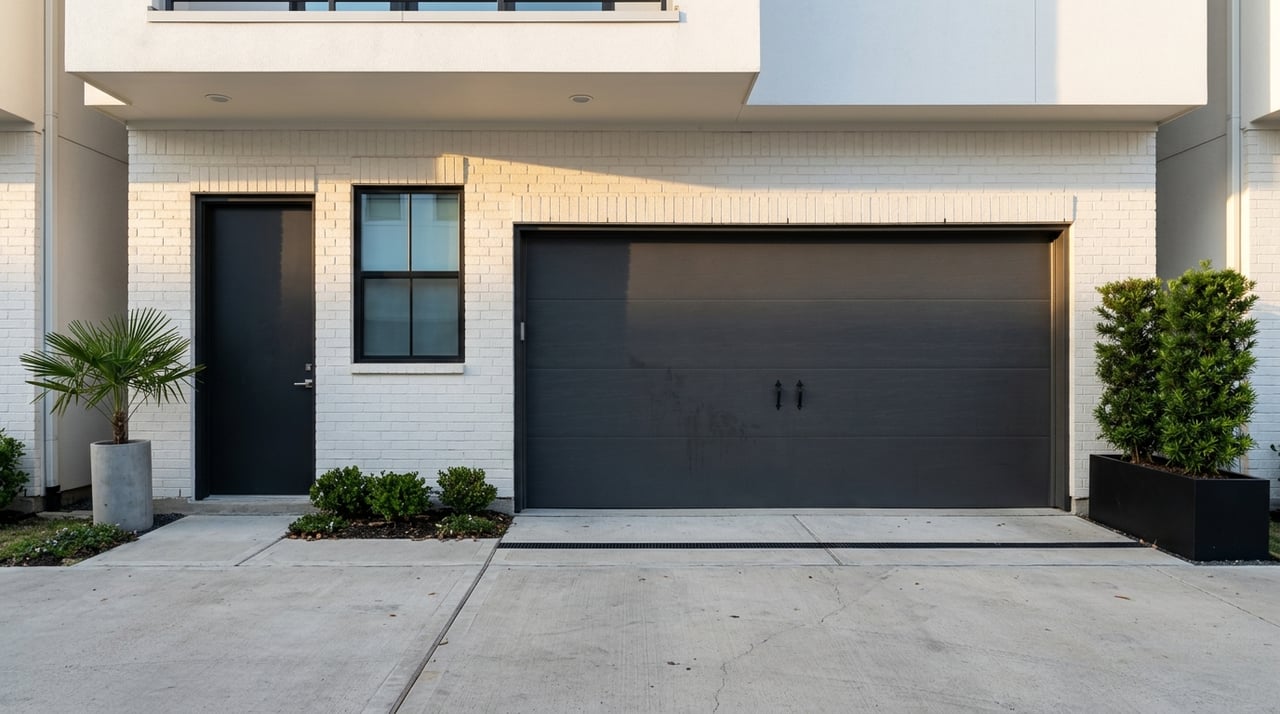
Montrose townhomes often make the most of vertical space. Recent listing examples show a wide range of floor plans, including two-story layouts with an enclosed atrium and two-car garage, three-level homes with first-floor garage parking and second-floor living, and four-story homes with rooftop decks, elevators, and attached garages.
The takeaway is simple: there is no single standard layout. You will want to think carefully about how stairs, bedroom placement, main living level, and outdoor access fit your daily routine.
Before you move forward, consider questions like these:
A beautiful townhome can still be the wrong fit if the layout does not match how you live.
In Montrose, parking is a major buying factor, not a small detail. Houston requires sufficient off-street parking for new and redeveloped buildings, and on-street parking can be limited in some areas. ParkHouston also manages resident permit parking areas in certain locations.
That means you should never assume curb access is easy or that guest parking will be available. A townhome with a two-car attached garage may function very differently from one that depends partly on street parking or shared access.
Ask for clear answers on the parking setup, including:
This is one of the easiest areas for buyers to overlook, especially when listing photos focus on interiors.
One of the biggest mistakes buyers make with townhomes is assuming all ownership structures work the same way. In Montrose, some townhomes may have no HOA, while others may sit in a gated community or under a more formal association structure.
Texas law treats property owners’ associations and condominium associations differently. That matters because the documents, disclosures, maintenance obligations, and resale information can differ depending on how the property is legally set up.
For a POA-governed property, the resale certificate can tell you a lot. Texas disclosure requirements include items such as assessment amounts and frequency, special assessments, unpaid balances, reserves, budgets, insurance, pending lawsuits, violation notices, transfer fees, and managing-agent information.
This is not just paperwork. It is one of the best tools you have for spotting future costs, management issues, or risks that may affect your ownership experience.
Townhomes can reduce yard work and some exterior chores compared with detached homes, but the tradeoff is that maintenance responsibilities may be shared, divided, or more complicated than expected. TREC warns that an association may hold sole responsibility for certain repairs.
That is why broad statements like “low maintenance” do not tell you enough. You need to know exactly who handles what.
Use this checklist when evaluating a property:
In Montrose, those answers can vary widely from one property to another.
Montrose includes multiple City of Houston historic districts. If a property is in a historic district or is designated as a landmark, exterior alterations require Certificate of Appropriateness review through the city’s preservation process.
That can affect more than major remodels. Depending on the property and location, window replacements, additions, exterior changes, and some garage-related work may need city approval.
If you are buying a townhome and already thinking about upgrades, do not wait until after closing to learn the rules. Some blocks reflect older urban patterns with specific setback relationships, rear garage placement, and side-drive expectations.
For example, city guidance for First Montrose Commons describes a context where many homes are one or two stories, garages and carports are often detached in the rear half of the lot, driveways are typically on the side, and many blocks have 20-foot front setbacks. Even if your townhome is newer, the surrounding district context may still shape what can be changed.
Because Houston is unzoned, deed restrictions play an important role in many neighborhoods. In parts of Montrose, recorded restrictions may still influence what is allowed and help preserve the look and feel of a block.
For buyers, that means you should review restrictions carefully and not assume flexibility just because the area feels urban and eclectic. If you plan to change exterior elements, parking arrangements, or other visible features, recorded restrictions may matter as much as city rules.
When you buy a townhome in Montrose, you are not just buying square footage. You are buying into a very specific ownership experience shaped by the block, the building form, the parking setup, the legal structure, and the maintenance model.
The strongest buyers in this market ask practical questions early. They look beyond finishes and staging and focus on how the property will live day to day, what obligations come with it, and whether it fits their long-term plans.
A good approach is to compare each townhome across the same core categories rather than getting swept up in design alone. That helps you separate a beautiful listing from a truly good fit.
Keep your review focused on these five areas:
When you evaluate townhomes this way, you make cleaner comparisons and avoid surprises later.
If you want help weighing townhomes block by block in Montrose, Heather Fordham can help you look beyond the listing and make a more informed move.
New Heights Group delivers outstanding service, personal attention, and results to grateful clients. Contact them today!
Contact UsAddress
4200 Westheimer Rd., #1000
Houston, TX 77027
New Heights Group