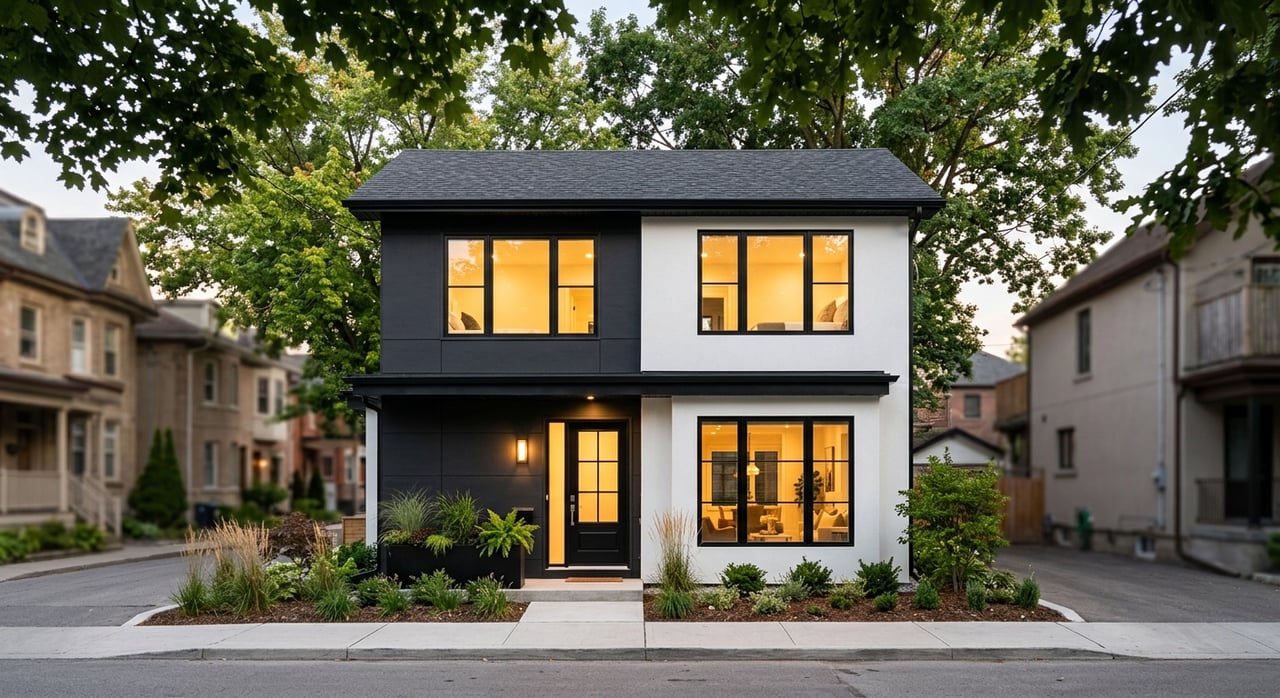
If you want a Houston neighborhood where you can spend the morning in a museum, the afternoon at a coffee shop, and the evening out for dinner or live music, Montrose deserves a close look. For many buyers, renters, and locals exploring the inner loop, the challenge is figuring out what Montrose actually feels like day to day, beyond the reputation. This guide will help you understand Montrose’s art scene, dining options, nightlife, and overall lifestyle so you can decide if it fits the way you want to live. Let’s dive in.
Montrose is part of the City of Houston’s official Neartown/Montrose super neighborhood in west central Houston. City information places it roughly between Highway 59, Allen Parkway, Taft, Bagby, Main, and South Shepherd, while the broader neighborhood history often describes Montrose as a larger 7.5-square-mile area west of downtown established in 1911.
What stands out most is that Montrose is not just one thing. It is a mixed-use inner-loop neighborhood where art, dining, nightlife, and everyday convenience overlap, which helps explain why it continues to attract people who want an active, connected city lifestyle.
Montrose has one of Houston’s clearest cultural identities. If you enjoy living near museums, galleries, and creative spaces, this neighborhood offers a level of day-to-day access that is hard to replicate in many other parts of the city.
The Menil Collection is one of the neighborhood’s biggest anchors. It offers free admission and sits on a 30-acre campus in a residential setting, with more than 25,000 works across the main museum and related spaces.
That campus includes the Menil Drawing Institute, Cy Twombly Gallery, and Dan Flavin Installation at Richmond Hall. For residents and visitors alike, this creates a rare setup where major art institutions feel woven into the neighborhood instead of set apart from it.
Rothko Chapel adds another defining cultural landmark to Montrose. It is also free to visit and is known for its 14 Mark Rothko murals and calm, contemplative setting.
If you value neighborhoods with spaces for reflection as well as activity, this is part of what gives Montrose depth. You can move from busy streets and restaurants to a quieter cultural experience within minutes.
Houston Center for Photography adds another layer to the local arts scene with a free public gallery and year-round classes and workshops. That combination of exhibitions and hands-on programming helps keep Montrose’s creative identity active and visible.
Smaller venues matter here too. Archway Gallery, one of Houston’s oldest artist-owned galleries, extends the neighborhood’s arts presence through exhibitions, readings, and live music.
If food is high on your list when choosing a neighborhood, Montrose has a lot to offer. Visit Houston describes it as one of the city’s most culturally diverse food scenes, with globally inspired options ranging from Mexican to Mediterranean.
What makes the area appealing is the variety packed into a relatively connected footprint. You are not looking at a neighborhood built around one type of dining experience. Instead, you get a mix of coffee spots, casual meals, brunch options, and dinner destinations that support both everyday routines and nights out.
Montrose works well for people who like to start their day locally. Places like Common Bond and Agora help define the neighborhood’s coffee and café culture, giving you flexible spots for a quick morning stop, a casual meeting, or a slower weekend start.
That matters more than it may seem at first. In a city where many errands and outings require planning around driving, neighborhoods with strong daytime gathering places often feel more livable and connected.
For lunch or dinner, Montrose continues to stand out with a wide range of choices. Hugo’s and Traveler’s Table are often cited as representative neighborhood staples, reflecting both variety and the broader international influence found across the area.
For buyers thinking about lifestyle, this is one of Montrose’s biggest strengths. You can enjoy a neighborhood feel while still having access to dining that feels distinctly Houston in its diversity and energy.
Montrose changes pace after dark, but it does not lose its neighborhood character. Instead of feeling like a single entertainment district, the area offers a mix of cocktail bars, music venues, and longstanding nightlife spots that give you different ways to spend an evening.
For drinks, Anvil Bar & Refuge and Camerata at Paulie’s are two representative names that help define the neighborhood’s evening scene. These kinds of venues contribute to Montrose’s reputation as a place where nightlife can feel social and polished without always being high-pressure or overbuilt.
That can be especially appealing if you want options close to home. Whether you are meeting friends for a drink or planning a low-key date night, Montrose offers places that fit naturally into everyday city living.
If live music is part of your ideal neighborhood experience, Montrose gives you established options like Numbers and The Continental Club. These venues help keep the area tied to Houston’s broader music culture while reinforcing Montrose’s long-running creative identity.
The neighborhood is also historically important to Houston’s LGBTQ+ community, and that history remains visible in its nightlife. Venues such as JR’s Bar & Grill and South Beach are part of that longstanding presence and help explain why Montrose continues to hold a distinct place in Houston’s cultural landscape.
One of Montrose’s biggest practical advantages is how navigable it feels compared with many Houston neighborhoods. Walk Score ranks Neartown-Montrose as Houston’s most walkable neighborhood, with a score of 86, and also describes it as having good public transportation and being very bikeable.
For you, that can translate into a more flexible daily routine. Depending on where you are in the neighborhood, some errands, meals, coffee runs, and social plans can happen without relying on your car for every stop.
Montrose’s walkability is also being reinforced through public-realm improvements. The Montrose TIRZ has focused on corridors including Richmond, Montrose, West Alabama, and Westheimer, with boulevard work that adds sidewalks, crossings, lighting, and trees.
These kinds of upgrades matter because they support how a neighborhood feels over time. Better pedestrian infrastructure can make everyday movement more comfortable and can strengthen the connection between homes, businesses, and cultural destinations.
If you are choosing between inner-loop neighborhoods, it helps to place Montrose in context. Compared with Midtown, which is often described as a district between Downtown and the Museum District with coffee shops, murals, parks, and one of Houston’s most popular nightlife scenes, Montrose tends to feel more neighborhood-scaled and more arts-centered.
Compared with River Oaks, which is often framed as chic and luxurious, Montrose generally reads as more eclectic and casual. That does not make one area better than another. It simply helps clarify the lifestyle difference, especially if you are trying to match a neighborhood with how you want your weeknights, weekends, and social life to feel.
Montrose often appeals to people who want more than just a home address. They want access to culture, a stronger sense of place, and a neighborhood where daily life can include coffee shops, galleries, restaurants, and evening plans without crossing half the city.
It can also appeal to buyers who value central location and established neighborhood identity. When a community has recognizable cultural anchors, active business corridors, and ongoing public improvements, it tends to offer a more distinctive lifestyle than neighborhoods built around a single use.
If you are touring Montrose in person, pay attention to how different pockets feel at different times of day. Some blocks may feel quieter and more residential, while major corridors carry more activity tied to dining, retail, and nightlife.
A few smart things to notice include:
The goal is not just to like Montrose in theory. It is to understand which part of Montrose best supports your lifestyle.
If you are considering a move in or around Montrose, working with a team that understands Houston’s inner-loop micro-markets can make the process much clearer. From comparing neighborhood feel to evaluating the right fit for your goals, Heather Fordham and New Heights Group offer thoughtful, neighborhood-led guidance to help you make your next move with confidence.
New Heights Group delivers outstanding service, personal attention, and results to grateful clients. Contact them today!
Contact UsAddress
4200 Westheimer Rd., #1000
Houston, TX 77027
New Heights Group