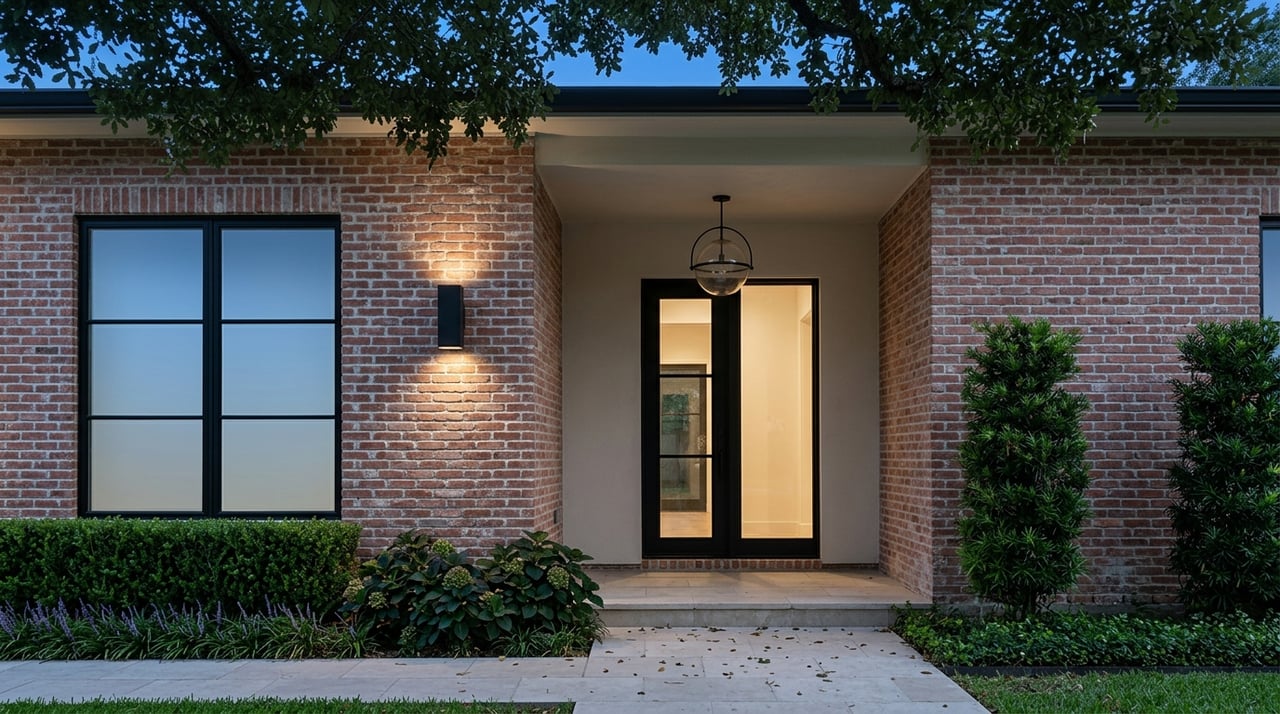
Trying to choose between West University Place and The Heights? You are not alone. Both are close-in Houston favorites, but they offer very different day-to-day experiences. If you want to narrow your search with more confidence, this guide will help you compare housing, walkability, lifestyle, and commute patterns so you can focus on the area that fits you best. Let’s dive in.
West University Place and The Heights may get mentioned in the same breath, but they are not direct apples-to-apples options. West University Place is an incorporated city of about 2 square miles, while Greater Heights is a broader inner-loop area in north central Houston that includes multiple historic districts and varied block patterns.
That difference matters when you begin your home search. In West U, you are usually choosing within a more compact, primarily residential setting. In The Heights, you are often comparing several micro-areas that can feel different from one block to the next.
West University Place describes itself as primarily residential, with commercial strips and quick access to downtown, Rice University, the Texas Medical Center, and the Galleria/Uptown. That makes it a strong option if your daily routine is centered on south and central Houston.
The overall feel tends to be more uniform and residential. If you want a close-in location with a compact footprint and a more consistent streetscape, West U often stands out quickly.
The Heights offers a broader inner-loop experience with a stronger sense of architectural variety and street-level activity. The City of Houston describes Houston Heights as Texas’ earliest planned community, and the area still reflects that long history through its block patterns and building styles.
You will see more variation here in both home types and neighborhood character. Some streets lean historic and bungalow-heavy, while others include modern infill or newer condo options. That mix is part of the appeal for many buyers.
West U’s comprehensive plan says most of its land is devoted to single-family residential uses. Historically, the area included small cottages, bungalows, and two-story homes, but since the 1980s many original homes have been replaced by larger custom-built homes.
For you as a buyer, that often means a more polished and consistent residential feel. If you are drawn to custom-home presence and a neighborhood where the overall look feels more uniform, West U may be the easier fit.
In The Heights, the housing mix is broader. The City of Houston notes common architectural styles such as Queen Anne, Craftsman, Folk National, and Folk Victorian, along with rehabbed bungalows, modern infill, and some newer condominiums.
That variety creates more visual change from block to block. If you enjoy character, design differences, and the chance to compare homes from different eras, The Heights gives you more range during your search.
Your choice may come down to whether you want consistency or variety. West U usually appeals to buyers who prefer a more uniform residential setting with a strong custom-home presence. The Heights is often the better match if you want architectural diversity and a neighborhood that feels more layered over time.
West U has strong walkability in key areas. Representative Walk Score pages for blocks near Kirby and Albans show scores of 92 and 93, and the city’s planning documents emphasize walking and biking to schools, parks, and the city center.
At the same time, West U’s walkability tends to be more node-based. The city identifies Town Center as its only true district and highlights the Kirby Drive corridor as a major commercial area. In practical terms, some pockets feel especially convenient on foot, while others feel more purely residential.
The Heights also performs well for walkability, especially around its core corridors. Heights Boulevard and West 19th Street show a Walk Score of 91, and Greater Heights has an overall Walk Score of 73.
The City of Houston notes that retail historically clustered along 19th Street, with additional commercial activity on 11th and 20th Streets. That helps explain why The Heights often feels like it has a broader storefront pattern and more visible street life across several corridors.
If you want walkability tied to a quieter residential setting, West U may feel more comfortable. If you want a more noticeable mix of homes, shops, and street activity across a wider area, The Heights may feel more natural.
This is one of the biggest lifestyle differences between the two. One is not better than the other. It simply depends on how you want your day-to-day environment to feel.
Commute convenience depends on where you need to be most often. West U is often the cleaner fit if your routine revolves around Rice, the Texas Medical Center, the Museum District, Greenway Plaza, or the Galleria/Uptown.
The Heights is the more downtown-oriented benchmark. It sits inside the 610 Loop in north central Houston, and the neighborhood’s original development was tied to streetcar access for people commuting to work downtown.
Before you decide, think beyond a map. Consider your weekly pattern, including work, errands, parks, dining, and the places you visit most. The better neighborhood for you is often the one that makes ordinary days easier.
West U tends to suit buyers who want a compact, largely residential enclave with mature trees, neighborhood parks, and close-in access to major Houston destinations. It often works well for owner-occupants who value a steady block-to-block feel and a quieter rhythm.
If your priorities include residential consistency, custom-home presence, and easy access to south and central Houston, West U may rise to the top quickly. Buyers who want fewer surprises as they move from street to street often appreciate that predictability.
The Heights tends to attract buyers who want more visible architectural variety, a stronger historic identity, and easier access to neighborhood retail corridors. The area’s mix of restored homes, newer development, and established commercial streets gives it a more layered feel.
If you enjoy comparing blocks, noticing design details, and living in an area with more storefront activity, The Heights may be the stronger match. For many buyers, the appeal is not just the home itself but the character of the surrounding streets.
If you are still torn, use a short list of must-haves. Start with the parts of daily life that matter most to you, then measure each area against those priorities.
Choose West U if your priorities include:
Choose The Heights if your priorities include:
This may be the most important takeaway of all: compare the exact block, not just the neighborhood name. In both West U and The Heights, walkability and housing style can shift noticeably depending on where you are.
That is especially true in The Heights, where the area covers more ground and includes a wider mix of historic and newer housing. But it also matters in West U, where some sections feel more connected to commercial nodes and others feel more purely residential.
When we help buyers narrow these two areas, we usually focus on how a specific block supports the lifestyle they want. That block-level view often makes the decision much clearer.
If you want help weighing West U against The Heights, or narrowing your search to the right streets and home styles, Heather Fordham can help you make a smart, neighborhood-informed move.
New Heights Group delivers outstanding service, personal attention, and results to grateful clients. Contact them today!
Contact UsAddress
4200 Westheimer Rd., #1000
Houston, TX 77027
New Heights Group